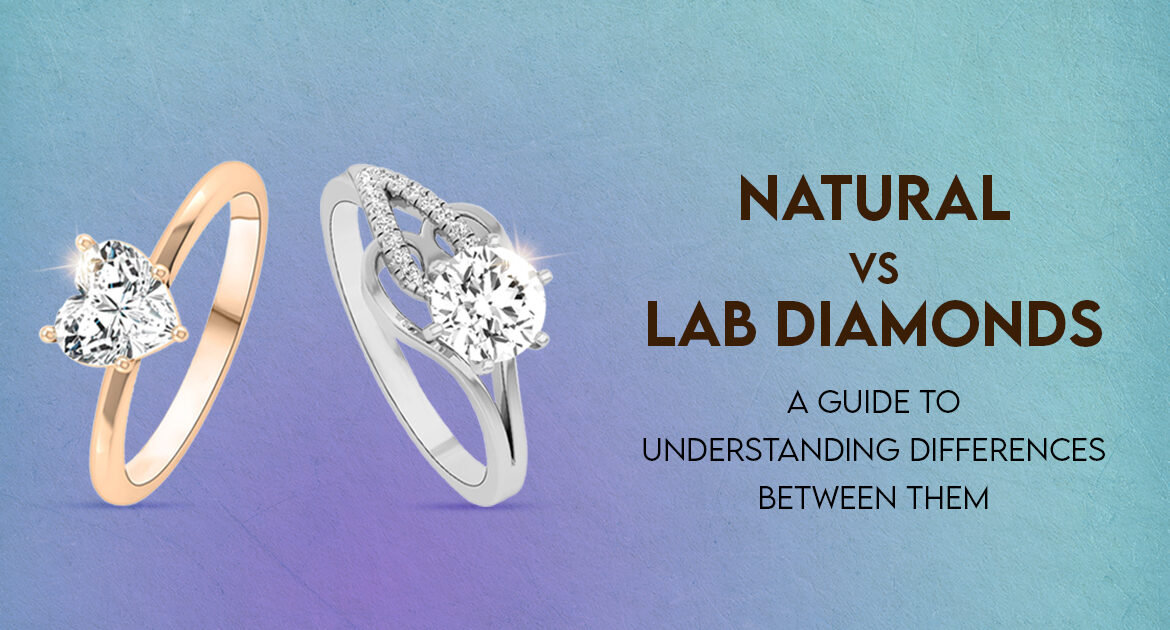
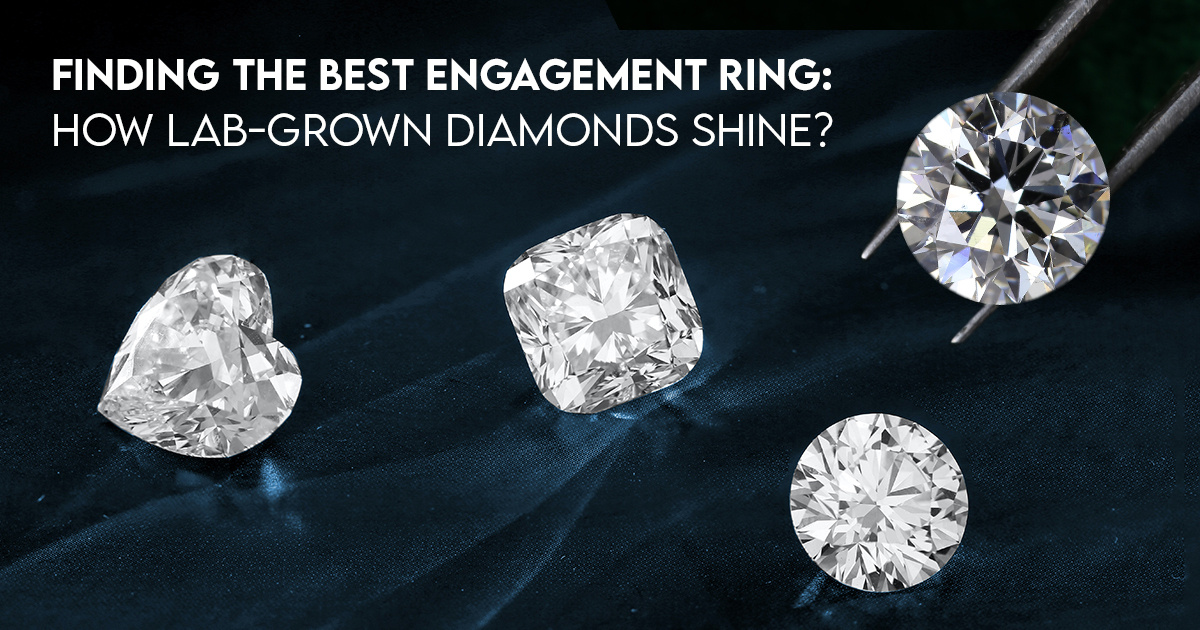
Diamonds are precious gems that have long been a symbol of love, beauty, and luxury, and have traditionally been mined from the earth. However, in recent years, lab-grown diamonds have gained popularity as an alternative to natural diamonds. As consumers become more conscious of sustainability, ethics, and affordability, the debate between natural vs lab diamonds has taken the stage in the jewelry industry. In this article, we will delve into the topic of natural vs lab diamonds and understand the key differences between the two.
Key Differences Between Natural and Lab-Grown Diamonds
While lab-grown diamonds share many similarities with natural diamonds, there are some key differences between these two types:
- Origin: Natural diamonds are formed deep within the earth’s mantle over millions of years, while lab-grown diamonds are created in a controlled environment using advanced technological processes.
- Inclusions and Colors: Natural diamonds are formed deep within the earth’s mantle over millions of years, while lab-grown diamonds are created in a controlled environment using advanced technological processes.
- Price: Lab-grown diamonds are generally more affordable than natural diamonds, as they do not have the same mining and distribution costs associated with them.
- Size and Availability: Natural diamonds are available in larger sizes and quantities compared to lab-grown diamonds, which are still relatively new to the market and may have limitations in size and availability.
- Real and Artificial: One of the most common misconceptions about lab-grown diamonds is that they are “fake” or “artificial” diamonds. This is simply not true. lab- grown diamonds are created in controlled environments using various techniques, such as High-Pressure High Temperature (HPHT) and Chemical Vapor Deposition (CVD). Lab-grown diamonds are real diamonds that are created using advanced technological processes that mimic the natural conditions under which diamonds form in the earth’s crust. They have the same chemical, physical, and optical properties as natural diamonds, and they are graded and certified by gemological institutes just like natural diamonds.
- Value and Authenticity: Another myth surrounding natural vs lab diamonds is that natural diamonds are more valuable and authentic than lab-grown diamonds. While natural diamonds are rare and have been formed over millions of years in the earth’s mantle, lab-grown diamonds are created in a controlled environment in a matter of weeks or months. However, it’s important to note that the value of a diamond is determined by its quality, not its origin. Both natural and lab-grown diamonds can have high quality and be used in exquisite jewelry pieces.
- Ethical and Sustainability: One of the main reasons why consumers choose lab-grown diamonds over natural diamonds is the perception that they are more ethical and sustainable. Natural diamond mining has been associated with environmental concerns, human rights issues, and social conflicts in some regions where diamonds are extracted. On the other hand, lab-grown diamonds are created using less energy, water, and land compared to traditional diamond mining, and they do not have the same negative social and environmental impacts. Additionally, some lab grown diamond companies have certifications and guarantees in place to ensure their ethical and sustainable practices.
The difference between natural vs lab diamonds is multi-faceted. While natural diamonds have a long standing history, lab-grown diamonds are gaining traction as a more ethical, sustainable, and affordable alternative. Ultimately, the decision between natural vs lab diamonds comes down to individual priorities and beliefs.